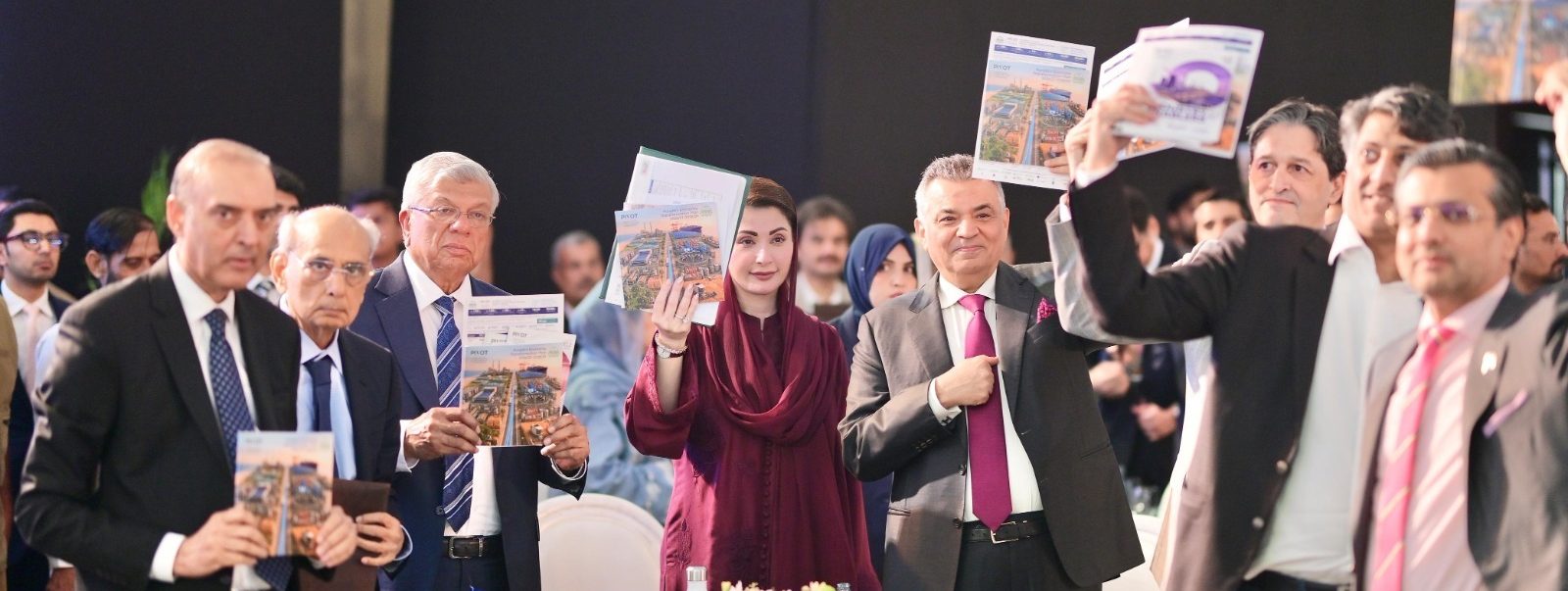
Punjab Chief Minister Maryam Nawaz Sharif on Thursday launched the Punjab Innovation, Value Addition and Economic Transformation (PIVOT) Plan 2026-29, a Rs1.995 trillion economic roadmap to accelerate industrial growth, increase exports and attract private-sector investment. The three-year plan targets an additional $6.8 billion in exports, the creation of 162,000 direct jobs, and support for more than one million livelihoods through industrial modernisation, agricultural value addition, business reforms, and skills development.
Addressing the launch ceremony, the Chief Minister said Punjab was embarking on a new model of economic growth driven by industry, innovation, value addition and exports, with government playing the role of facilitator while the private sector leads economic expansion.
The event brought together a wide cross-section of business leaders, policymakers, diplomats and development partners. Leading industrialists and corporate leaders, including Mian Muhammad Mansha, Arif Habib, Fawad Mukhtar, Ziad Bashir and Osman Khalid Waheed, attended the ceremony, reflecting strong private-sector interest in the initiative.
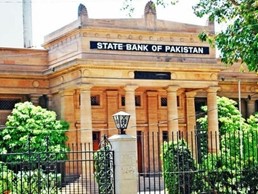
The financial sector was represented by State Bank of Pakistan Governor Jameel Ahmad, along with chief executives and senior officials of major banks and financial institutions. Representatives of the diplomatic corps, the World Bank, Asian Development Bank (ADB), United Nations agencies and other international development partners were also present.
Senior Minister Marriyum Aurangzeb, Chief Secretary Punjab Zahid Akhtar Zaman, provincial ministers, administrative secretaries and district focal officers attended the launch and outlined the government’s implementation framework.
A key component of the initiative is the Strategic Trade Enhancement Programme (STEP), supported by a dedicated digital portal. Under the programme, businesses will have access to Rs300 billion in concessional financing at rates ranging from zero to five per cent, subject to eligibility criteria and programme conditions.
The overall investment framework combines Rs1.089 trillion in public-sector investment with a target of Rs906 billion in private-sector investment, highlighting the government’s emphasis on public-private partnership.
The industrial development component allocates Rs753.7 billion to strengthen manufacturing, promote value addition and improve export competitiveness. The programme includes Rs50 billion for solar power installations and Battery Energy Storage Systems (BESS), as well as Rs50 billion for machinery duty reimbursements to encourage technology upgrades and industrial modernisation.
Priority sectors include textiles and garments, sports goods, leather and footwear, surgical instruments, pharmaceuticals, fans, cutlery, steel and ceramics. The plan also envisages modern testing and certification facilities along with plug-and-play industrial infrastructure to support exporters.
In the agriculture sector, four specialised agro-processing parks will be established in Sargodha, Khanewal, Okara, and Bhakkar to reduce post-harvest losses, improve food processing, and strengthen value-added agricultural supply chains.
The programme also includes initiatives to enhance wheat productivity and expand export opportunities for citrus, mangoes, potatoes, horticulture and floriculture products. Additional support is planned for livestock, dairy, aquaculture, halal meat and milk value chains.
Beyond manufacturing and agriculture, the PIVOT Plan incorporates measures to strengthen tourism, digital services and workforce development. More than 402,000 individuals are expected to receive industry-focused skills training over the next three years.
To improve the ease of doing business, the government plans to digitise 300 public services through the E-Biz initiative, facilitate the onboarding of 2,000 firms onto e-commerce platforms and introduce regulatory reforms aimed at simplifying investment and commercial processes.
A PIVOT Board, chaired by Senior Minister Marriyum Aurangzeb, will oversee implementation, supported by a dedicated secretariat in the Planning and Development Department and a monitoring mechanism comprising a central dashboard and industry scorecard.
Chief Secretary Zahid Akhtar Zaman said the implementation framework had been finalised and the programme would be operationalised within six months.
Speaking on the occasion, Marriyum Aurangzeb said the Chief Minister’s vision was to position government as an enabler of enterprise while creating an environment conducive to investment, exports and industrial growth.
Demonstrating investor confidence, businessman Arif Habib announced plans to build Pakistan’s tallest commercial tower at Lahore CBD One, underscoring private-sector interest in Punjab’s economic development agenda.
The PIVOT Plan provides a comprehensive three-year framework designed to transform Punjab into a competitive, export-oriented economy through increased investment, stronger industrial capacity, higher exports, improved skills and sustainable job creation.