
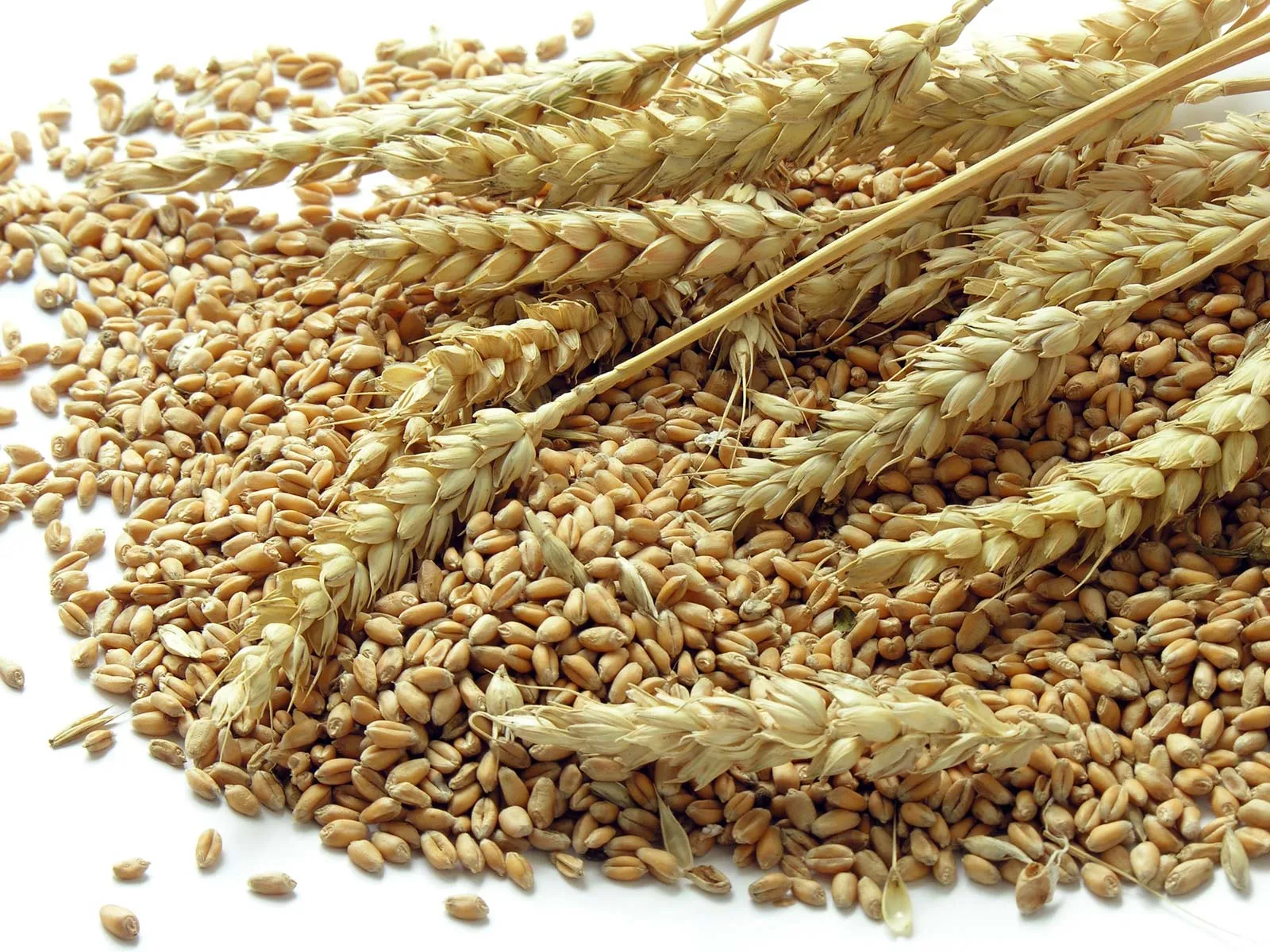
Topline Pakistan Research has released a commentary on the rising prices of wheat and sugar, noting that initial data points suggest optimism for the rural economy. Wheat prices in Pakistan have surged to a 19-week high of Rs 710 per 10 kg, which translates to Rs 2,839 per 40 kg. Some local market sources are quoting prices between Rs 3,000 and Rs 3,050 per 40 kg. This sharp recovery is expected to provide strong motivation for farmers ahead of the next sowing season.
The price rebound comes at a crucial time, as farmer sentiment had weakened due to depressed returns during the previous crop cycle. The agriculture sector has experienced a significant slowdown in FY25, with growth declining to just 0.6% compared to 6.4% in FY24. Adverse climate conditions, water shortages, lower crop prices, and increasing input costs have greatly impacted farm economics. Key crop production declined by 13.5% year-on-year, with wheat production decreasing by 8.9%. In the outgoing season, farmers suffered a loss of Rs 10,695 per acre compared to earnings of Rs 13,572 per acre in the previous season, according to the FFC Briefing Presentation.
Wheat production is estimated to decline by approximately 11% in FY25, as poor profitability has discouraged sowing. However, the recent uptrend in prices is expected to encourage higher sowing in the upcoming Rabi season. The farmers’ loss in this vital cash crop is partly attributed to the government’s decision to lift support prices under the IMF program, as well as high costs related to fertilizers, seeds, and electricity.
Sugar prices have also surged, rising from Rs 138–140 per kg in January 2025 to approximately Rs 165 per kg, which is significantly above the government’s fixed ex-mill price. The combined effect of rising wheat and sugar prices is expected to improve farmer incomes in the next crop cycle. Enhanced profitability should restore confidence, increase revenue, and provide a much-needed boost to Pakistan’s rural economy.
Stronger rural incomes will not only stabilize the agriculture sector’s contribution to GDP but also support domestic consumption. This price recovery can incentivize higher production of key crops, thereby reducing reliance on imports and strengthening food security.
Regarding economic growth, we believe that boosting the rural economy will complement the existing growth prospects of the overall economy. Over the past two years, farm economics have suffered significantly due to rising input costs and falling crop prices. Current wheat prices are 43% lower than the previous peak of Rs 1,256 per 10 kg, based on PBS data. Although high wheat prices were previously driven by exorbitant support prices and smuggling to neighboring countries, the recent spike will provide relief to farmers facing declining incomes. Additionally, in the short term, the cost of one major input—urea—is expected to remain relatively low due to higher inventory levels.
We believe that sectors such as construction, two-wheelers, hatchback/sedan passenger cars, and other consumer-related industries, including clothing, will experience a recovery and contribute to overall economic growth. Recently, during an analyst briefing for Atlas Honda Bikes, management indicated that sales in the two-wheeler segment are currently driven by urban consumers, as the rural economy struggles. However, we believe that the shift in crop prices will further support the recovery of the rural sector.er boost the sales of the sectors mentioned above, including two-wheelers (motorbikes).